
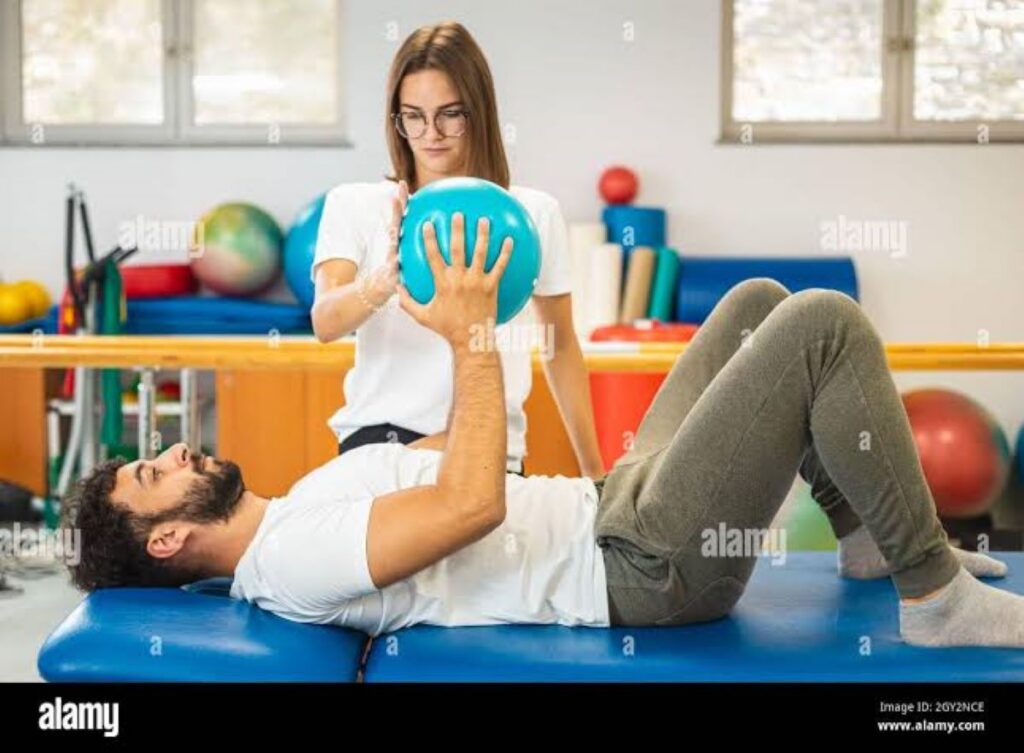
Pelvic floor work often fails because people cannot feel what they are trying to control. A Pilates squishy ball gives immediate, gentle feedback through pressure, contact, and breath, so they can sense alignment and effort without guessing.
In Australian Pilates studios and physio-led classes, this small prop is often used to help clients find neutral pelvis, reduce over-bracing, and connect the pelvic floor to the rest of the core.
What does “pelvic floor awareness” actually mean?
Pelvic floor awareness means they can sense the pelvic floor’s movement and timing, not just “squeeze harder.” In practice, it looks like noticing lift and release, coordinating with breathing, and keeping the pelvis steady during movement.
For many people, awareness is the missing link between being told to “engage” and actually doing it well.
Why do so many people struggle to feel their pelvic floor?
Many struggle because the pelvic floor is internal and subtle, and modern habits encourage gripping or disconnecting. Long hours sitting, stress, and high-intensity training can lead to either under-recruitment or constant tension.
Without clear feedback, they may clench glutes, brace abs, or hold breath, thinking it is pelvic floor engagement.
How does a Pilates squishy ball create better body feedback?
A Pilates squishy ball creates tactile feedback: they can feel pressure change when alignment or muscle tone changes. That sensation helps the brain map what is happening in the pelvis and hips.
It also gives a clear reference point during breathing, so they notice whether they are bearing down, gripping, or moving smoothly with the breath.
Where should they place the ball to improve pelvic floor awareness?
Placement depends on the goal, but common options are between the knees, under the sacrum, or at the inner thighs near the knees. Between the knees is popular because it encourages adductor activity that can support pelvic floor coordination.
In Australian classes, they are usually coached to use light pressure only, keeping the rest of the body soft and breathing steady.
How does inner-thigh activation relate to the pelvic floor?
The adductors and pelvic floor often work as part of the same deep support system. When they gently squeeze a ball, it can cue a supportive “zip up” feeling without excessive bracing.
A Pilates squishy ball makes that cue obvious because the pressure can stay low and steady, rather than turning into a hard clamp.
Can a squishy ball help them stop over-clenching?
Yes, because it shifts the focus from maximum contraction to controlled modulation. With a ball, they can practise “engage a little, release a little,” which is essential for bladder and bowel function and for comfort.
Using a Pilates squishy ball also helps them notice compensation, like gripping glutes or tucking the pelvis, and then back off.
How does the ball support breathing and pelvic floor timing?
Breathing changes pelvic floor pressure. On inhale, many people benefit from allowing a gentle release; on exhale, they can feel a subtle lift. The ball encourages slower, more organised breath because it gives something to sense and stabilise against.
With a Pilates squishy ball, they can practise exhaling without rib flare or jaw tension, which often improves pelvic floor coordination.
What makes a Pilates squishy ball different from a foam roller or yoga block?
A foam roller is firm and broad, while a yoga block is rigid and can encourage gripping. A Pilates squishy ball compresses, so it responds to small changes and feels less threatening for sensitive bodies.
That softness matters when they are learning control, especially if they are anxious about pelvic floor symptoms or pain.
Which Pilates exercises work best with the ball for pelvic floor awareness?
Simple, low-load movements usually work best first. Common choices include bridge holds with the ball between the knees, dead bug variations, pelvic tilts, and side-lying clams with gentle pressure.
A Pilates squishy ball can also be used in seated posture drills to help them sense weight through the sit bones and avoid collapsing into the lower back.
How can they use the ball to find neutral pelvis?
Neutral pelvis is hard to “see,” so feeling becomes the guide. With the ball under the sacrum (used carefully and lightly), they may detect when they are tucked or over-arched.
Instructors often cue them to stack ribs over pelvis and keep breath moving, then check that the ball pressure stays even.
Is it safe for postnatal clients in Australia?
Often yes, but it depends on individual recovery and guidance from an appropriate clinician. Many Australian women work with a pelvic health physiotherapist and then use Pilates-based rehab to rebuild coordination and capacity.
A Pilates squishy ball is typically used with very light pressure postnatally, prioritising breath, posture, and gentle timing rather than intensity.
Can it help people with prolapse symptoms?
It may help awareness and control, but it is not a stand-alone fix. For some, learning to reduce downward pressure, manage breath, and improve hip and trunk coordination can ease symptom flare-ups.
In Australia, it is sensible for them to get a pelvic health physio assessment first, then use a Pilates squishy ball as a graded tool within the plan.
What about people with pelvic pain or vaginismus?
They should be cautious and prioritise relaxation, not strengthening. For pelvic pain, the goal is often down-training, rib mobility, and reducing guarding through hips and abdomen.
A Pilates squishy ball can be useful if it helps them use lighter effort and calmer breathing, but they should stop if it increases pain, urgency, or protective tension.
See Also : Five Pilates Mini Ball Exercises You Can Do Sitting Down
How can they tell if they are doing it correctly?
They should feel subtlety, not strain. Signs it is working include steady breath, relaxed face and shoulders, and a sense of internal lift on exhale without bearing down.
If they feel butt clenching, inner-thigh cramping, breath holding, or heaviness in the pelvis, they likely need less pressure or a simpler drill.
What size and firmness of ball should they choose?
Most people do well with a small, soft ball that compresses easily. Too firm can encourage over-effort; too large can change hip mechanics and reduce control.
Many Australian retailers and studios sell “soft Pilates balls” around 18–23 cm, which suits most bodies for pelvic floor awareness practice.
How often should they practise with the ball?
Short, consistent sessions tend to work best. Two to four sessions a week for 5–10 minutes can build awareness without fatigue, especially if they are also walking, lifting, or returning to sport.
Using a Pilates squishy ball occasionally as a “check-in” tool can be more helpful than relying on it for every workout.
What common mistakes reduce pelvic floor benefits?
The most common mistake is squeezing too hard and turning the exercise into a hip or glute clamp. Another is flattening the back and tucking the pelvis, which can mask what the pelvic floor is doing.
With a Pilates squishy ball, the cue should stay gentle, with movement quality and breath leading the effort.
When should they see an Australian pelvic health physio instead?
They should seek support if they have leaking, heaviness, persistent pain, or symptoms that worsen with exercise. They should also get help if they cannot relax the pelvic floor, or if they are unsure how to coordinate breath and pressure.
A pelvic health physiotherapist can assess function and tailor a plan, then a Pilates squishy ball can become a practical home tool within safe limits.
What is a simple at-home routine they can try with a Pilates squishy ball?
They can start with three moves: (1) supine breathing with the ball between knees, (2) bridge hold with light squeeze on exhale, (3) dead bug heel taps while keeping pressure gentle and ribs calm. Each can be done for 5 slow breaths.
This routine works because a Pilates squishy ball turns vague cues into something they can feel, helping pelvic floor awareness translate into daily life and exercise.